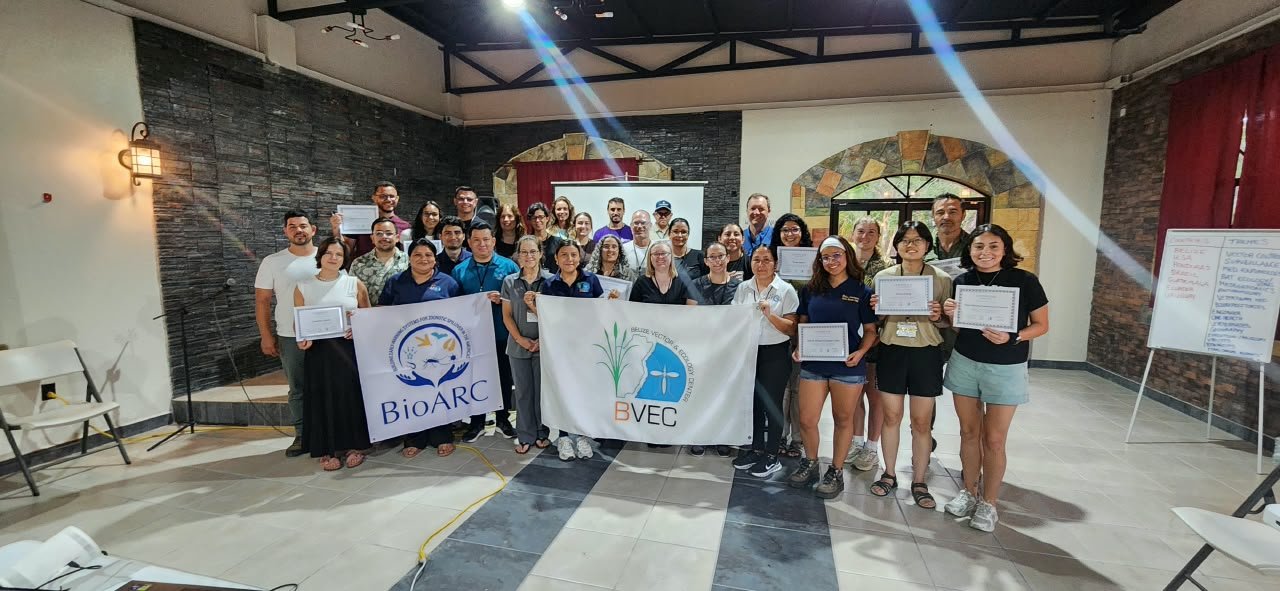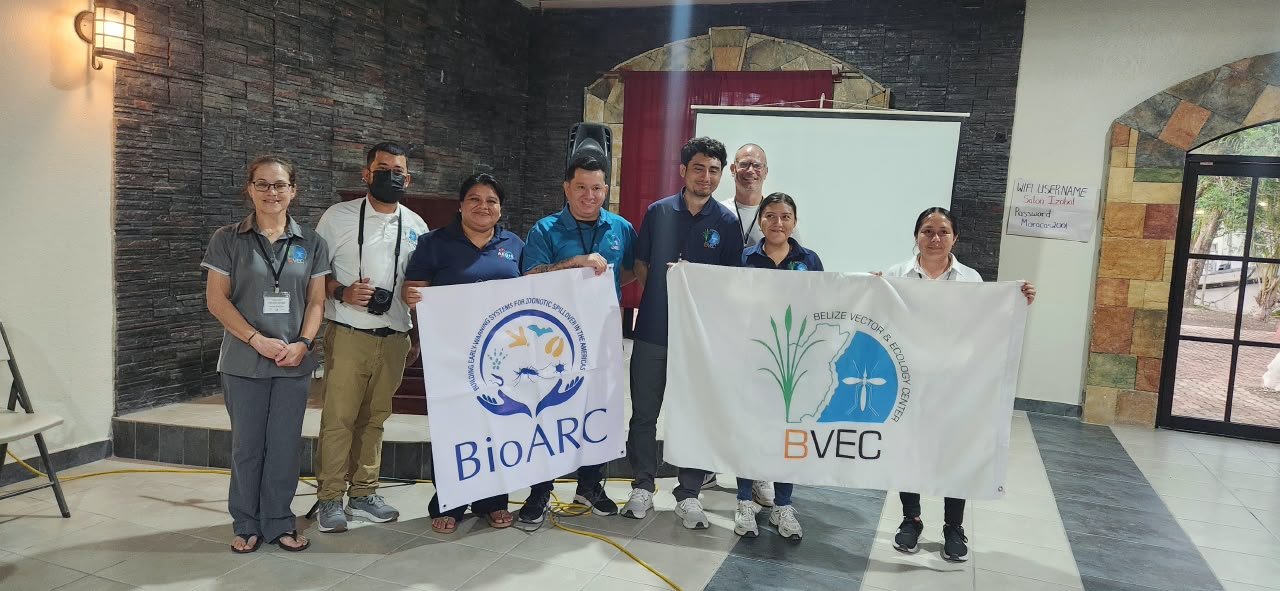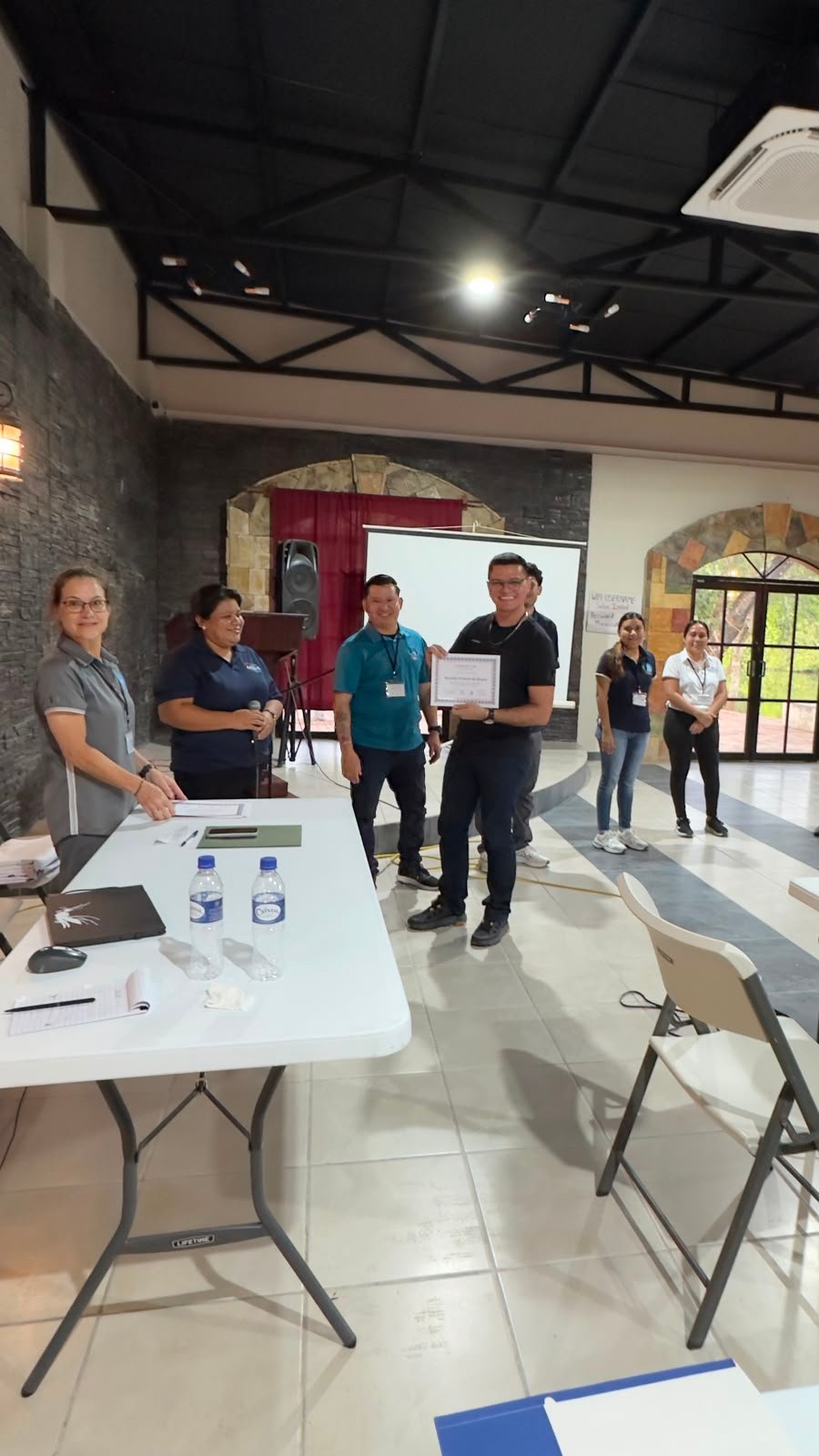
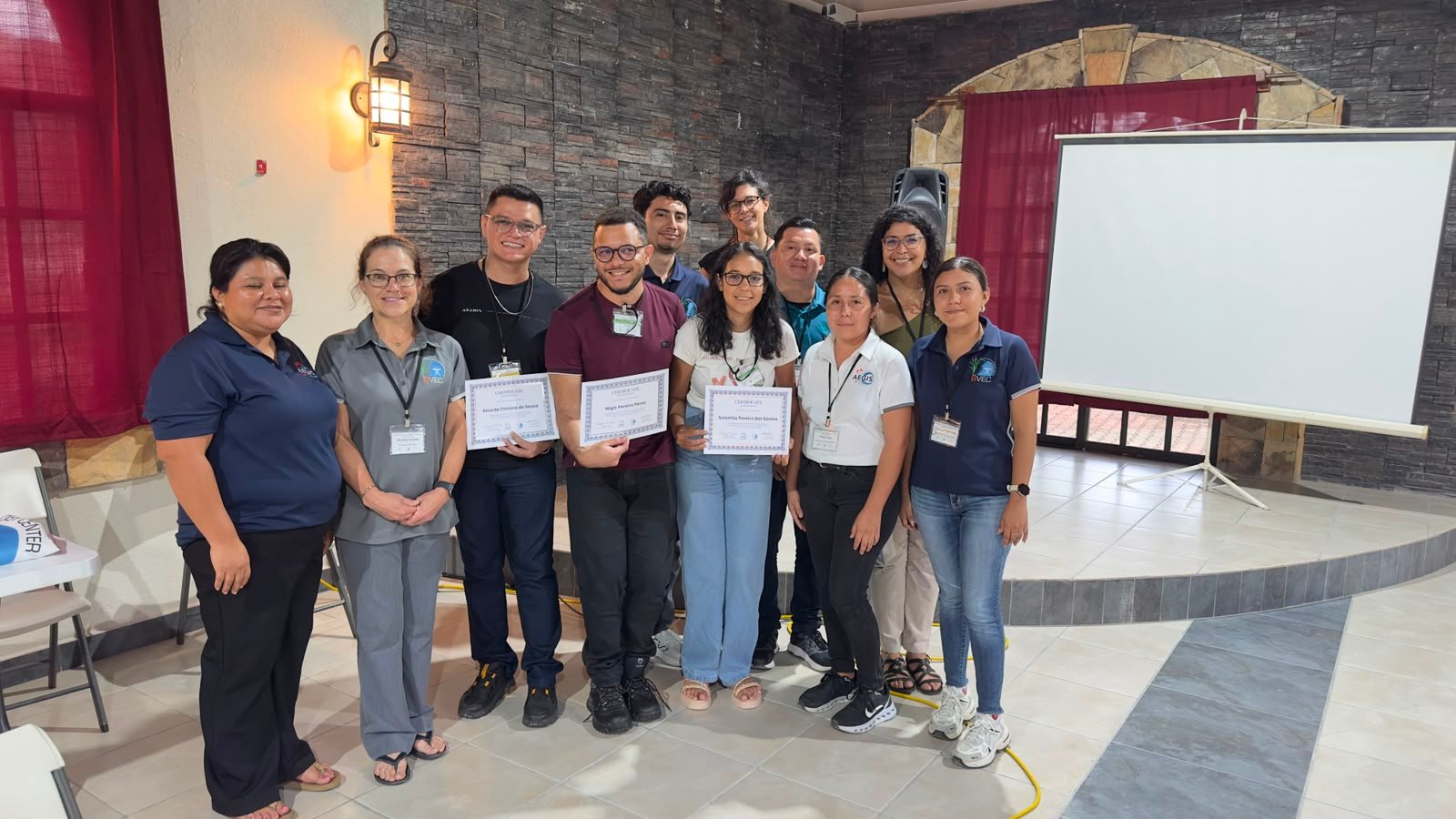
Held in Belize, the first in-person meeting of the BioARC project — Biorepositories for Adaptive Resilience to Climate — brought together researchers from several countries across the Americas for a hands-on immersion in genomic surveillance techniques applied to One Health and biodiversity conservation.
The UNEMAT delegation
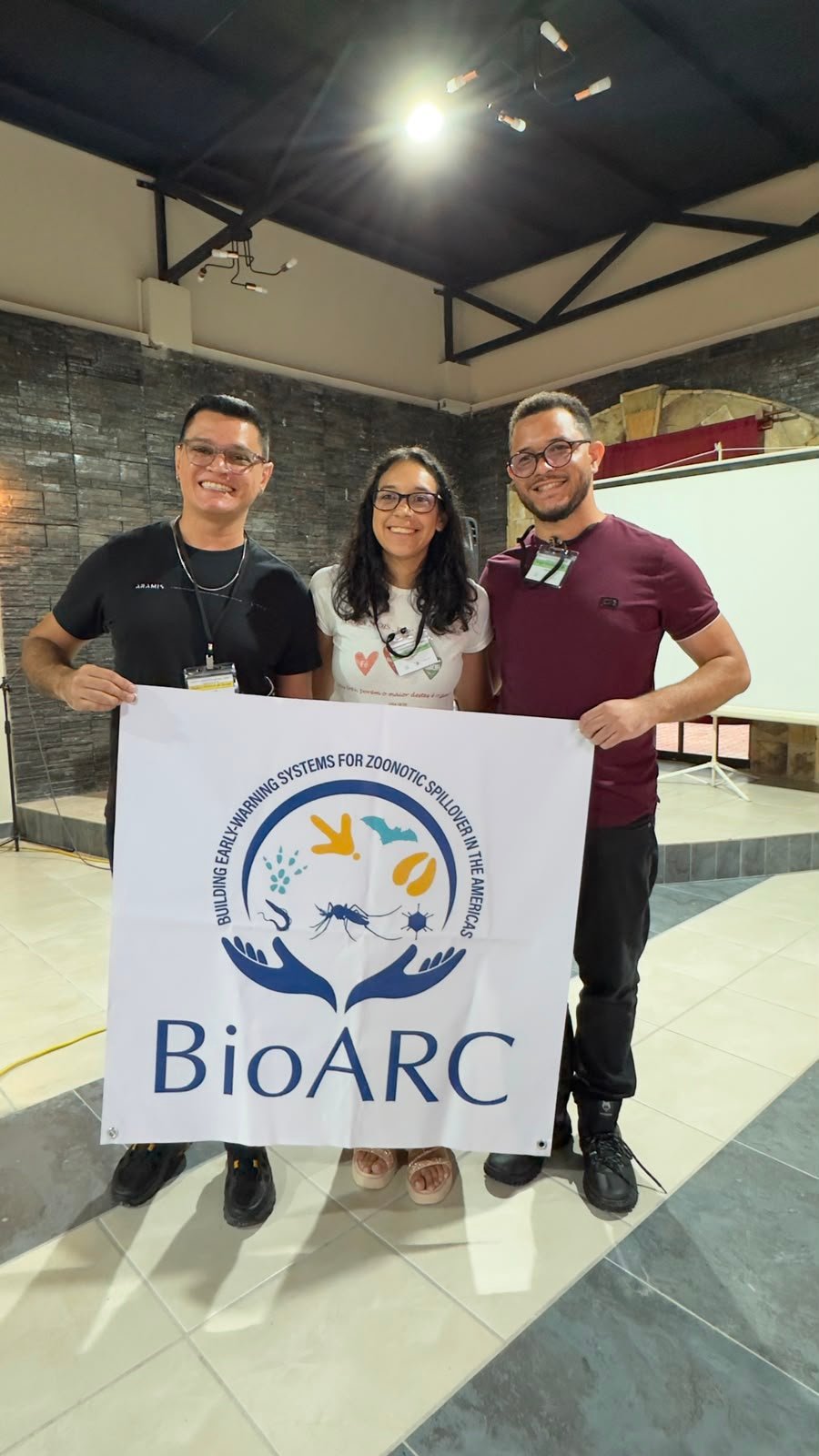
Mato Grosso State University (UNEMAT), Nova Xavantina campus, was represented by a delegation of three. Professor Ricardo Firmino de Souza, PhD in Ecology, led the team alongside Sulamita Pereira dos Santos, a Master's student in Ecology and Conservation at the Nova Xavantina campus, and Wigis Pereira Peres, a doctoral student in Biotechnology and Biodiversity with the Pró-Centro-Oeste Network.
UNEMAT's participation reinforces the prominence of the institution and of the Nova Xavantina region in building solutions for genomic surveillance and biodiversity conservation in the context of climate change.
From the field to bioinformatics
Over the course of the programme, participants worked through every stage of the laboratory and bioinformatic workflow. Activities ranged from field sample collection and proper data handling to DNA extraction at the bench.
One of the central moments of the course was a simulation of nanopore sequencing, a technology that enables real-time analysis and has proven promising for pathogen monitoring in remote regions. Researchers then turned to the processing and bioinformatic analysis of the simulated data, consolidating what they had learned about the computational tools used in genomic identification and characterization.
Science as a network
Beyond the technical content, the meeting stood out for its collaborative character. The exchange of experience among scientists from different countries, combined with interaction with local communities, reinforced the importance of networked research and of a multidisciplinary approach to the challenges posed by climate change and by the risk of pathogen spillover between animals and humans.
Read the coverage on the UNEMAT portal (in Portuguese): Pesquisadores da Unemat participam de capacitação em vigilância genômica em Belize.